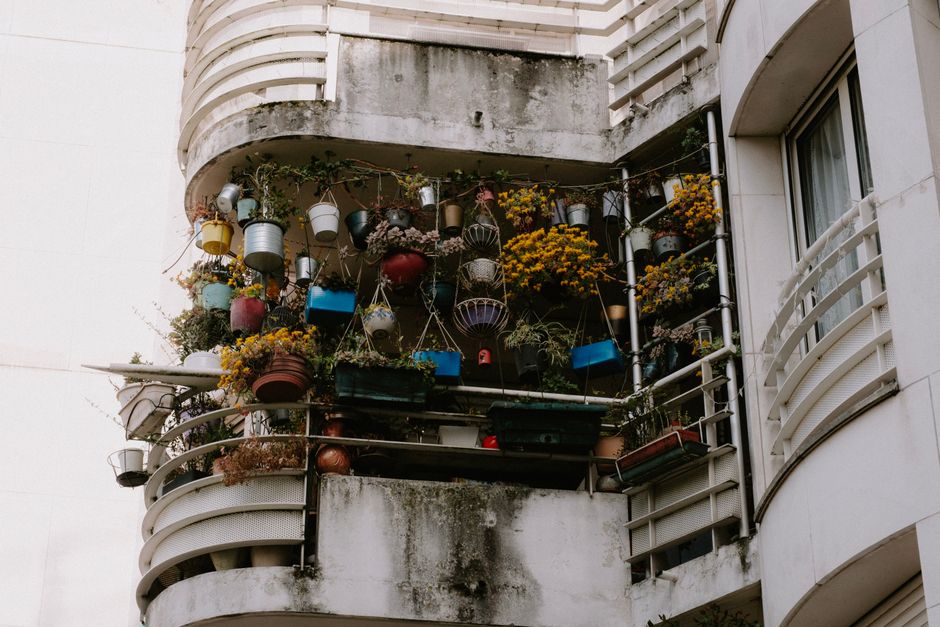
Seven Sisters Station balcony gardening tips from local gardeners
If you live near Seven Sisters Station and your balcony feels more like a narrow ledge than a garden, you are not alone. Plenty of local homes in N15 have the same challenge: a bit of wind, a modest amount of sun, not much floor space, and a real wish to make it feel green without turning it into a cluttered mess. These Seven Sisters Station balcony gardening tips from local gardeners are built for exactly that kind of space.
Truth be told, balcony gardening in this part of North London works best when you stop trying to force a back-garden setup onto a small outdoor area. The better approach is simple: pick the right plants, use containers that suit the conditions, and keep the whole thing manageable. In this guide, you will find practical advice from local gardeners, plus a few hard-earned lessons that tend to save time, money, and a few wilted herbs along the way.
Whether you want a peaceful morning coffee corner, a productive herb patch, or a leafy screen that softens street noise, this article will help you plan it properly. And yes, you can do a lot with a small balcony. More than people think.
Table of Contents
- Why balcony gardening near Seven Sisters Station matters
- How balcony gardening works in a station-area setting
- Key benefits and practical advantages
- Who this is for and when it makes sense
- Step-by-step guidance
- Expert tips for better results
- Common mistakes to avoid
- Tools, resources and recommendations
- Law, compliance, standards, or best practice
- Options, methods, or comparison table
- Case study or real-world example
- Practical checklist
- Conclusion
- Frequently Asked Questions
Why Seven Sisters Station balcony gardening tips from local gardeners Matters
Balcony gardening is not just about making things look nice, although that is part of it. Around Seven Sisters Station, many balconies face typical urban pressures: gusty air, limited light, rail dust, privacy concerns, and neighbours close by. A plant that would thrive in a sheltered suburban garden can struggle here if you place it in the wrong spot. That is why local knowledge matters.
Local gardeners tend to notice the small things outsiders miss. Which side of the building catches the strongest afternoon sun? Where does the wind funnel through the street? Which planters dry out first after a warm spell? Those details decide whether your balcony becomes a thriving little green space or a monthly disappointment. Let's face it, a sad rosemary pot is not the vibe anyone wants.
The topic matters because it bridges aspiration and reality. You might want a lush, full balcony, but the practical answer is often a mix of hardy plants, smart containers, and good maintenance habits. That is exactly where these tips help. They are grounded in real conditions, not showroom ideas.
There is also a wellbeing angle. A small planted space near your kitchen or sitting area can make a flat feel calmer and more lived-in. Even a few pots can soften hard edges, add colour, and make the space feel less like an afterthought. That sense of calm is subtle, but you notice it on a grey Tuesday evening when the traffic is humming and your basil still smells fresh.
How Seven Sisters Station balcony gardening tips from local gardeners Works
At its core, balcony gardening is about matching plant choice and layout to the realities of your balcony. Near Seven Sisters Station, that usually means thinking about wind exposure, sunlight, weight limits, drainage, and how much time you actually want to spend watering. A good balcony garden is designed around those constraints rather than fighting them.
The basic process is straightforward. First, observe your balcony for a few days. Notice where the light falls in the morning and late afternoon, whether one corner feels much windier than the rest, and how quickly containers dry after watering. Then choose plants that suit those conditions. Herbs like thyme and mint, compact ornamentals, drought-tolerant succulents, trailing plants for rail planters, and privacy plants in tall pots can all work well if you place them carefully.
After that, you build a simple structure. The best balcony setups usually have three layers: floor pots, raised or shelf-level containers, and a vertical element such as a wall hanger, trellis, or stacked planter. That gives the eye something to follow without eating up valuable floor space. It also helps prevent the place from feeling like a jumble of random pots, which happens more often than people admit.
Finally, maintenance becomes the real engine of success. Balcony gardens are small, so they respond quickly to neglect and quickly to care. A five-minute watering routine, regular deadheading, and occasional turning of pots can make a visible difference. If a plant starts looking unhappy, you will know fast. Which, to be fair, is helpful. No one wants a mystery collapse in week three.
Key Benefits and Practical Advantages
People often start with aesthetics, but the practical advantages of a well-planned balcony garden go much further. Here are the biggest gains local gardeners usually care about.
- More usable outdoor space: Even a narrow balcony can feel like a proper room when it is planted thoughtfully.
- Better privacy: Tall pots, climbing plants, and layered greenery can soften views from nearby windows or streets.
- Less glare and visual hardness: Greenery breaks up concrete, metal, and glass, which makes the space feel calmer.
- Fresh herbs within reach: Small edible plants are convenient and surprisingly satisfying.
- More seasonal interest: You can swap colour and texture through the year without redesigning everything.
- Improved sense of routine: A small garden encourages regular light care, which many people find relaxing.
There is another benefit that gets overlooked: flexibility. Balcony gardening lets you experiment on a small scale. If a plant fails, you have not lost a whole bed. If a layout does not work, you can change it in an afternoon. That makes it ideal for renters, first-time gardeners, and anyone who wants something attractive without signing up for a huge ongoing project.
For local households balancing work, commuting, and day-to-day life, that flexibility is a big deal. You can make progress in small bursts. Bit by bit. No drama required.
Who This Is For and When It Makes Sense
This approach suits a wide range of people, but it is especially useful if you recognise any of the following situations:
- You live in a flat or maisonette near Seven Sisters Station and want a better outdoor space.
- You rent and need a setup that is attractive but removable.
- You have a small balcony and want to avoid overcrowding it.
- You want herbs, flowers, or privacy planting without a full garden makeover.
- You are new to gardening and want something low-risk.
- You already garden, but the balcony has been a bit neglected.
It also makes sense if you want to improve a space without getting into heavy construction. Some people dream of decking, screening, or major landscaping, and that can be sensible in larger properties. But for a balcony, the goal is usually simpler: improve the feel of the space, keep it easy to maintain, and avoid adding too much weight or mess. If your needs go beyond containers and light planting, you might also look at broader landscaping support or the more general services overview to see what fits your property.
Local gardeners often say the same thing: start where you are, not where you wish the space was. That is sensible advice, even if it sounds a little plain at first.
Step-by-Step Guidance
Here is a practical sequence you can follow. It is deliberately simple, because balcony gardening works best when the plan is clear.
1. Assess the balcony conditions
Spend a few days looking at light, wind, and access. Notice whether the balcony gets full sun, partial shade, or mostly bright indirect light. Check how water drains. If your balcony is exposed, test where wind hits hardest. A plant in the wrong spot will struggle no matter how expensive the pot was.
2. Decide what you want from the space
Be honest with yourself. Do you want herbs for cooking, flowers for colour, privacy screening, or a place to sit with a coffee? Trying to do everything at once can make the balcony feel cramped. A clearer purpose leads to better plant choices. A small "green retreat" and a productive herb corner need different layouts, after all.
3. Choose containers that suit the site
Use pots with drainage holes, preferably in materials that suit the weight and weather. Lightweight containers are often better for balconies, especially where you need to move things around or reduce load. Tall planters work well for privacy, while shallow troughs are useful for herbs and compact flowers.
4. Pick resilient plants first
Start with plants that can handle urban conditions. Local gardeners often lean towards hardy herbs, compact evergreens, seasonal colour plants, and trailing varieties that soften railings. If your balcony gets regular wind, avoid delicate stems that snap easily. If it is shaded for much of the day, skip sun-hungry plants that will sulk.
5. Build height without blocking movement
Use vertical space, but keep the walkway clear. A mix of floor pots, a shelf, and one or two hanging or railing planters often works better than lining every inch with containers. That little gap where you can step out and turn around matters more than people realise.
6. Water carefully and consistently
Container plants dry out faster than garden plants. In summer, they may need watering more often than you expect. Water deeply rather than giving tiny sips. Make sure excess water can escape. If you are out during the day, a water-retaining compost mix can help, though it is not a substitute for proper care.
7. Mulch and feed as needed
A light mulch on top of compost can reduce evaporation. Feeding depends on the plant, but container-grown plants generally need more nutrients than ground-planted ones. Keep it moderate. Too much feeding can be just as annoying as too little. Plants have opinions, apparently.
8. Review and adjust after two weeks
Look at what is thriving and what is not. Move a struggling plant to a different light level or shelter spot. Swap a pot that is too heavy. Trim back growth if the balcony is starting to feel crowded. The best balconies evolve a bit over time instead of being fixed forever on day one.
Expert Tips for Better Results
Local gardeners with experience around Seven Sisters usually share a few practical habits that make a real difference. These are the kinds of tips that sound small but save you plenty of trouble later.
- Group plants by watering needs: Keep thirsty pots together so you are not guessing every time you water.
- Choose a stronger pot than you think you need: Cheap containers can crack, tip, or dry out too quickly.
- Use saucers carefully: They catch runoff, but standing water should not linger. Empty them if needed.
- Rotate pots monthly: This helps growth stay even where one side gets more light than the other.
- Give wind-sensitive plants a sheltered corner: A balcony wall or screen can make all the difference.
- Prune lightly but often: Small cuts are easier on plants than major rescue jobs later.
- Keep one "backup" pot empty: You will be glad you have it when a plant fails or something needs repotting.
One local gardener we spoke to in principle, not as a formal case study, described the balcony as "a place for small wins." That stuck with me. A healthy pot of thyme near the door, a trailing plant over the edge, a quiet corner chair that actually fits. Small wins. That is usually how a balcony starts to feel intentional.
If you are choosing privacy planting, taller container-grown plants can help soften sightlines without building a permanent barrier. For a more focused approach to that, see the idea behind tall potted privacy plants, especially if your main issue is overlooked space rather than pure decoration.
Common Mistakes to Avoid
Most balcony gardening mistakes are not dramatic. They are little mismatches that build up. The good news is they are easy to spot once you know what to look for.
- Using pots with no drainage: Waterlogging is a fast route to unhappy roots.
- Overcrowding the balcony: Too many pots can make the space harder to use and harder to water.
- Buying plants for looks alone: A beautiful plant that hates your conditions is a short-lived joy.
- Ignoring wind exposure: Leaves tear, stems bend, and top-heavy containers can become unstable.
- Forgetting weight considerations: Heavy pots, wet compost, and extra furniture add up quickly.
- Watering on autopilot: The weather changes. So should your routine.
- Skipping regular deadheading and tidying: Small plants can look tired surprisingly fast if left alone.
Another mistake is trying to make a balcony do the job of a full garden. That usually leads to frustration. A balcony garden should be proportionate to the space. Clean, well-chosen, and easy to move through. If you need a bigger reset before planting, services like garden clearance or more regular garden maintenance can help remove the clutter first.
And one more thing. Do not ignore the view from inside your flat. You will see the balcony most often from indoors, especially on darker evenings. If it looks tidy from the kitchen window, that is a good sign. Probably the best sign, actually.
Tools, Resources and Recommendations
You do not need a garage full of kit for balcony gardening. In fact, less is usually better. A compact set of tools and a sensible shopping list will take you a long way.
| Item | Why it helps | Best use on a Seven Sisters balcony |
|---|---|---|
| Watering can with a narrow spout | Lets you water neatly without splashing paths or neighbours below | Small pots, herbs, and regular upkeep |
| Lightweight containers | Reduce load and are easier to reposition | Renters, upper-storey balconies, changing layouts |
| Multi-purpose compost | Supports general container planting | Mixed planting schemes |
| Water-retaining granules or compost mix | Helps containers stay moist longer | Hot spells or busy routines |
| Secateurs or snips | Makes deadheading and pruning easier | Herbs, flowers, and light shaping |
| Small plant supports | Keeps taller or climbing plants upright | Windier balconies |
| Saucers or trays | Catches runoff and helps protect flooring | Balconies with drainage concerns |
For practical home and garden support beyond balcony pots, the site's wider guidance can be useful. If your space needs a larger tidy-up or layout reset, it may be worth looking at lawn mowing for gardened areas at home, or hedge trimming if your property has screening that affects light and outlook. If you are moving from balcony ideas into a broader outdoor plan, those services fit into the bigger picture.
For those interested in how outdoor materials affect upkeep and use, decking services can be relevant for larger terraces or house-level outdoor spaces, though that is more of a broader property decision than a balcony-only one.
Law, Compliance, Standards, or Best Practice
Balcony gardening is usually straightforward, but there are a few practical best-practice points worth keeping in mind. These are not dramatic legal hurdles. They are the common-sense checks that help keep your space safe and neighbour-friendly.
First, check your lease, tenancy agreement, or building rules if you are renting or living in a managed block. Some buildings have restrictions on railing planters, drilling into walls, water runoff, or the overall weight you can place on a balcony. If you are unsure, ask before fitting anything permanent. It is much easier than undoing a problem later.
Second, think about drainage and water disposal. Try not to let excess water run where it can stain walls or drip onto balconies below. Use trays where appropriate and avoid overwatering before very windy weather, when overspill becomes more likely.
Third, keep walkways clear. A balcony should still be usable as an exit route. Do not block doors, do not crowd the threshold, and do not stack items in a way that creates a trip hazard. That is just sensible home safety, really.
Fourth, avoid overloading the space. Wet compost, large ceramic pots, stones, furniture, and storage boxes all contribute to weight. If you are planning something heavier than a few lightweight containers, it is wise to check the building's guidance or seek proper advice. A balcony is not the place for guesswork.
Good practice also includes sensible waste handling. Dead plants, cuttings, and old compost should be disposed of responsibly. If you are refreshing a larger outdoor area, local services that support recycling and reuse can help keep the job tidy, and the site's recycling and sustainability approach may be worth a look if you are planning a greener clean-up.
One last point: if your setup includes tools, feed, or cleaning products, store them securely and out of reach of children or pets. Simple enough, but easy to forget when you are rushing between errands and watering at 7 p.m.
Options, Methods, or Comparison Table
If you are deciding how to shape your balcony, it helps to compare a few common approaches. There is no single best option. It depends on your goals, light levels, and how much time you want to spend on maintenance.
| Approach | Best for | Pros | Trade-offs |
|---|---|---|---|
| Herb-focused balcony | Cooking, fragrance, compact spaces | Easy to harvest, practical, generally low cost | Needs regular watering and trimming |
| Flower-led display | Colour, visual impact, seasonal change | Bright and cheerful, good from indoors | Can need more deadheading and feeding |
| Privacy planting | Overlooked balconies, sitting areas | Softens views, adds height and calm | May take more pot space and upkeep |
| Mixed micro-garden | People who want variety | Flexible, visually rich, more resilient if one plant fails | Needs more planning to avoid clutter |
For many local gardeners, the mixed micro-garden is the sweet spot. A couple of herbs, one taller structural plant, and a trailing or flowering element can make the balcony feel alive without turning it into a chore. That said, if your balcony is very small, a focused herb scheme may be more satisfying. Better a simple setup you maintain than a beautiful one you resent.
Case Study or Real-World Example
Here is a realistic example based on the kind of balcony setup local gardeners often work with near Seven Sisters Station.
A renter had a narrow, north-east-facing balcony that was exposed to intermittent wind and overlooked by nearby buildings. The space was not large enough for bulky furniture, and the owner wanted something that could be moved at the end of the tenancy. The first attempt had gone badly: three mismatched pots, a thirsty plant in full shade, and a cluttered corner that made the balcony awkward to use.
The reset was simple. The gardener grouped the containers by light level, swapped one heavy ceramic pot for a lighter one, and kept only a small chair and a narrow shelf. One pot held hardy thyme and chives. Another held a compact evergreen for structure. A third used trailing greenery to soften the rail. A taller planter near the wall gave privacy without blocking movement.
The result was not dramatic in a glossy-magazine sense. It was better than that. The balcony became usable. It looked calmer from inside the flat, and the maintenance routine took only a few minutes most days. The renter could still move everything easily. No fuss, no complicated fixings, no endless shopping. Just a setup that fit the way the space was actually used.
That is the lesson local gardeners keep coming back to: success is not about doing more. It is about doing the right few things well.
Practical Checklist
Use this quick checklist before you buy plants or rearrange your balcony.
- Check sunlight: Morning sun, afternoon sun, partial shade, or mostly shade?
- Check wind exposure: Is there a sheltered corner you can use?
- Confirm any building or tenancy restrictions: Especially on railings, drilling, and weight.
- Measure the usable floor space: Leave room to step out comfortably.
- Choose pots with drainage: Always.
- Match plants to conditions: Do not buy for looks alone.
- Plan a watering routine: Morning or evening, depending on weather and schedule.
- Decide your main goal: Herbs, privacy, colour, or a bit of everything.
- Keep tools simple: Watering can, snips, compost, and supports are usually enough.
- Review after two weeks: Move, trim, or replace anything that is not working.
Practical summary: If your balcony is small, windy, or overlooked, keep the design light, the plant choice hardy, and the layout easy to maintain. That combination gives the best chance of a space that stays attractive beyond the first week of enthusiasm.
Conclusion
Seven Sisters Station balcony gardening tips from local gardeners are really about making smart choices for real-life spaces. Not fantasy spaces. Not perfect catalogue balconies. The kind of balcony you actually have, with its quirks, wind patches, and awkward corners.
If you start with the conditions, choose resilient plants, and keep the setup proportionate, you can create something that feels welcoming and genuinely useful. A balcony does not need to be large to be lovely. It just needs to be thought through a little.
And if all you do this weekend is move one pot, check the light, and clear a bit of clutter, that still counts. Gardening often begins with one small, honest step. The rest tends to follow.
Get a free quote today and see how much you can save.
Frequently Asked Questions
What are the best plants for a balcony near Seven Sisters Station?
The best plants are usually hardy container plants that suit your light and wind conditions. Local gardeners often recommend herbs, compact evergreens, trailing plants, and seasonal flowers that can cope with urban exposure. The right choice depends more on your balcony's conditions than on trends.
How do I stop balcony plants drying out too quickly?
Use larger pots where possible, choose moisture-retentive compost, add a light mulch, and water deeply rather than little and often. Grouping thirsty plants together also helps. On hot or windy days, you may need to water more than once. It happens.
Can I grow herbs on a small balcony in Seven Sisters?
Yes, absolutely. Herbs are one of the easiest things to grow in a small balcony space. Thyme, chives, mint, parsley, and rosemary can all work well if they match the light level and are kept watered properly. Mint is best in its own pot, by the way, because it can get a bit bossy.
How do I make a balcony feel private without building a screen?
Use tall planters, layered planting, and trailing or upright greenery to soften sightlines. This creates a gentler sense of privacy without permanent fixtures. If the balcony is very overlooked, privacy planting in tall pots is often the simplest route.
What should I avoid on a windy balcony?
Avoid fragile plants, very tall unstable pots, and lightweight containers that tip over easily. Wind-exposed balconies do better with sturdier stems, sheltered corners, and heavier or well-balanced pots. Support stakes can help, but only up to a point.
How often should I water balcony plants?
There is no fixed answer because weather, pot size, and plant type all matter. In warm or windy weather, containers can dry out fast, so check them daily. In cooler periods, watering may be less frequent. The best habit is to check soil moisture rather than water by routine alone.
Do I need to worry about the weight on my balcony?
Yes, you should think about it. Wet compost, large ceramic pots, furniture, and storage items all add weight. If you plan anything substantial, check your building or tenancy guidance and avoid making assumptions. Smaller, lighter containers are often the safest choice.
What is the easiest balcony gardening setup for beginners?
A simple setup with three to five pots is often the easiest place to start. Mix one or two herbs, one structural plant, and one flowering or trailing plant. That gives you a pleasing result without overwhelming maintenance. Clean, simple, manageable.
Can balcony gardening improve the look of a rental flat?
Yes, it can make a big difference, especially when the balcony is visible from inside the flat. A neat, green outdoor space can soften the view, add colour, and make the whole room feel more finished. The key is to choose removable, non-permanent items if you rent.
What are the most common mistakes first-time balcony gardeners make?
The most common mistakes are poor drainage, overcrowding, choosing plants that do not suit the light, and underestimating wind exposure. Another common one is buying too many plants at once. A slower start usually gives better results.
How do I keep balcony gardening low-maintenance?
Pick hardy plants, keep the layout simple, use reliable pots with drainage, and group plants by watering need. Regular but short maintenance sessions work better than long catch-up jobs. You want a garden you can enjoy, not another weekend project that stares back at you.
Where can I get help if I want a bigger garden tidy-up or planting plan?
If your outdoor space needs more than container planting, it can help to look at broader garden support such as maintenance, clearance, or landscaping services. For local homeowners and renters, that can be a practical next step when the balcony is just one part of a larger garden refresh.