Recycling and Sustainability — Gardeners Seven Sisters
 Gardeners Seven Sisters is committed to building an eco-friendly waste disposal area and a thriving sustainable rubbish gardening area across the neighbourhood. Our approach combines practical on-site sorting, collaboration with borough schemes for kerbside separation, and ambitious targets that match modern urban green-space stewardship. We work as Gardeners - Seven Sisters, Gardeners in Seven Sisters and the local green team to reduce landfill, maximise reuse and divert organic streams into productive compost systems.
Our immediate recycling percentage target is clear: we aim for a minimum 65% recycling and reuse rate by 2030 across all garden-related waste streams, with a short-term milestone of 50% within two years. This target covers green waste, timber, pots and salvageable materials. To reach it we blend community education, efficient collection, and partnerships with neighbouring boroughs that already operate progressive separation regimes — typically separating dry recycling, food waste, glass and garden waste at the kerbside.
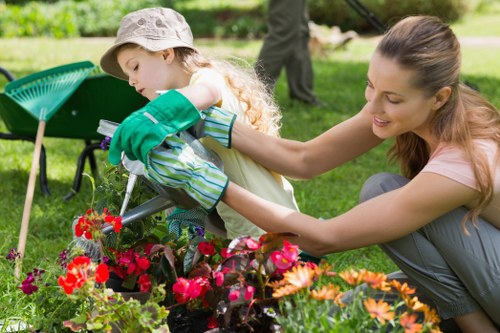 Practical activities in the eco-friendly zones include on-site segregation points for woody waste, soil and compostable material, and dedicated bays for salvageable items. Key actions include:
- Clear bins for green garden waste and mixed organic material
- Designated palettes for reusable timber, bricks and potting containers
- Small-scale shredding and wood-chipping for mulch and paths
We map local transfer stations and household waste recycling centres in neighbouring areas so our removal routes are efficient and legal. Rather than sending mixed loads to landfill, our crews consolidate specific materials bound for green-waste transfer hubs, masonry reuse depots and community composting sites. By coordinating with borough waste plans and recognising their kerbside separation frameworks we ensure that what we collect is prepared correctly for the next stage of processing.
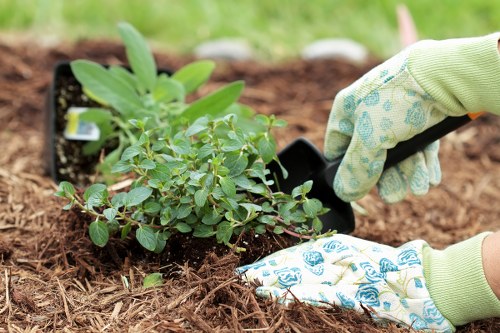
Partnerships with charities and reuse organisations
Gardeners Seven Sisters maintains ongoing relationships with local and national charities to increase reuse and social value. We partner with organisations such as The Conservation Volunteers and local reuse centres to move usable soil, pots, tools and timber into community projects. These collaborations reduce disposal costs, create training opportunities and amplify the impact of every tonne diverted from waste streams. Materials that still have life are donated or sold at social value, while unusable residues are processed sustainably.Our transport strategy is centred on low-carbon vans and logistical efficiency. We operate a mixed fleet of electric and hybrid vans, plus occasional low-emission diesel alternatives for longer haulage where necessary, and cargo bikes for small urban pickups. This fleet reduces greenhouse gas emissions while enabling frequent local runs to transfer stations and charity partners. We also schedule loads to minimise empty return trips and aim to transition entirely to zero-emission vehicles over the medium term.
Monitoring and continuous improvement are essential. We publish internal metrics tracking diverted volumes, contamination rates and carbon emissions from transport and processing. Our sustainable rubbish gardening area program uses simple audits to keep contamination low and to increase the proportion of materials suitable for reuse. We align reporting with borough approaches to waste separation so that metrics are comparable with local authority targets and funding schemes.

On-site sorting, composting and reuse
At the heart of our site strategy are secure sort bays and composting systems. Green waste goes through staged composting and curing; larger woody material is chipped and used as mulch across public and private planting areas. Reusable timber, bricks and intact pots are cleaned and prepared for donation or sale. Our gardeners in Seven Sisters prioritise soil health by testing and remediating contaminated soils, then returning improved soil to planting projects—closing the loop wherever possible. Community engagement is part of the plan without being a formal guide: we share simple resources, run open sorting days with local groups and offer surplus materials to community gardens. These activities support neighbourhood resilience and create circular flows of resources. By integrating low-carbon vans, strategic routing to transfer stations and charity partnerships, Gardeners Seven Sisters fosters a model of sustainable urban gardening that reduces waste, cuts emissions and boosts local benefit.
Summary of commitments:
- Recycle or reuse 65%+ of garden-related waste by 2030
- Operate an eco-friendly waste disposal area with on-site sorting and composting
- Use electric and hybrid low-carbon vans and cargo bikes
- Partner with charities and local reuse centres to extend material life
- Coordinate with borough waste separation schemes and local transfer stations

